Spider-Man: No Way Home and the Oscar Dream That Never Was
In 2026, the debate over whether superhero cinema belongs in the Academy Awards’ Best Picture race remains as spirited as ever. A defining voice in that conversation came from Sanja Milkovic Hays, the costume designer behind Spider-Man: No Way Home, who argued in early 2022 that the blockbuster possessed every ingredient required to win the Academy’s top prize. Her remarks, made during an interview with Variety, resonated with fans who believed the film’s emotional storytelling and technical craft deserved recognition alongside traditional Oscar bait. Yet they also underscored a persistent truth about the Academy: its voters have historically favored drama over spectacle.
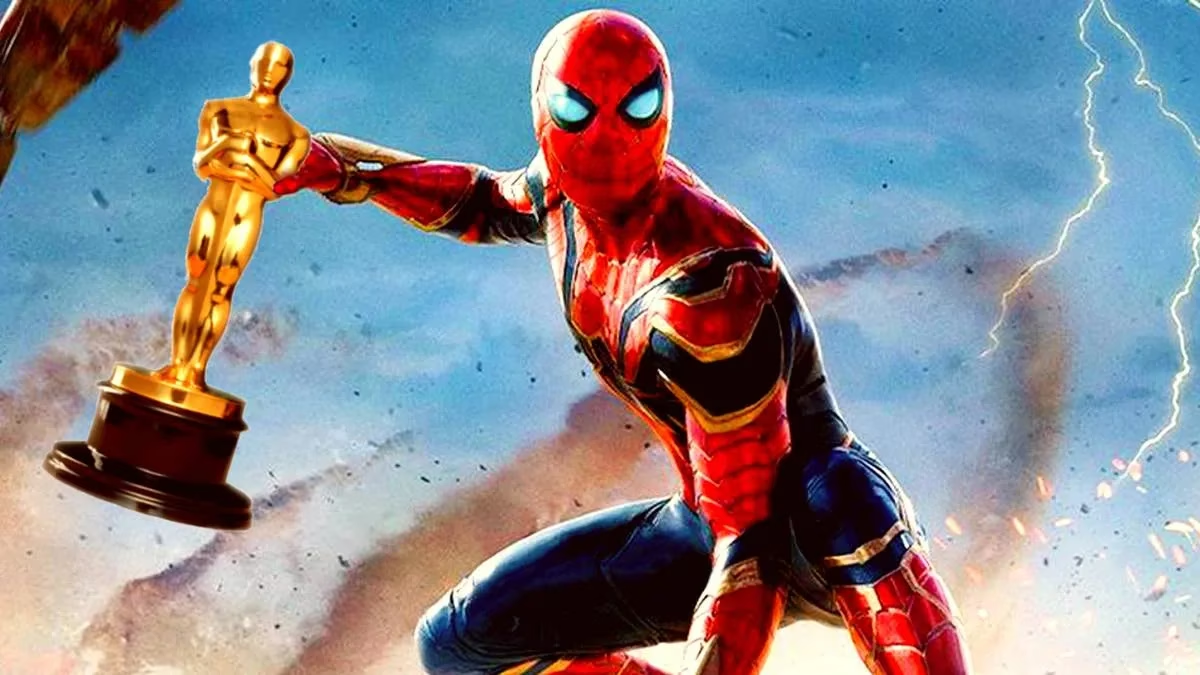
Hays did not shy away from acknowledging the odds. She noted that the typical Academy voter has “voted for movies that are more drama-based,” and that acting carries enormous weight because “the largest branch in the Academy are actors.” Even so, she insisted that “every single element that can win best picture is in ‘Spider-Man: No Way Home.’” She pointed to the acting, the music, and most crucially the story, concluding that “there’s no reason that it shouldn’t be a part of the best picture conversation.” Her full quote captured a mixture of pride and frustration: “The typical Academy voter, in history has voted for movies that are more drama-based. They go for the acting because the largest branch in the Academy are actors. Every single element that can win best picture is in ‘Spider-Man: No Way Home;’ It is the acting, it is the music, it is the story. There’s no reason that it shouldn’t be a part of the best picture conversation.”
Hays was not alone in her conviction. Sound designer Tony Lamberti echoed the sentiment, arguing that No Way Home had “no shortages of sequences and scenes that really tug at your heartstrings.” For the film’s creative team, the case was clear: a superhero movie could deliver the same emotional and technical richness as any prestige drama. The question was whether the Academy would agree.
A Genre Still Waiting for Its Best Picture Moment
As of 2026, no superhero movie has ever won the Best Picture Oscar. The closest any film has come was in 2019, when Black Panther proved that a superhero title could crack the Best Picture nominee list. That breakthrough raised hopes that the Academy was beginning to embrace the genre. However, subsequent years have shown that such recognition remains the exception rather than the rule. When The Shape of Water won Best Picture in 2018, it was the first fantasy or sci-fi film to take the top prize since The Lord of the Rings: The Return of the King in 2004. Superhero films, despite their cultural dominance and technical innovation, have largely been confined to below-the-line categories.
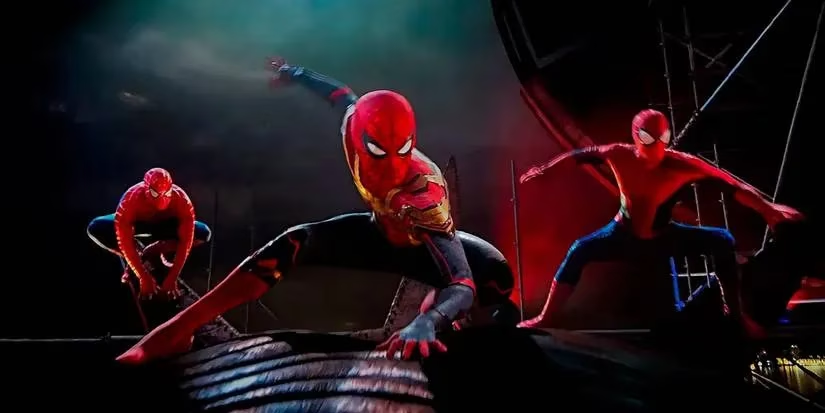
When the 2022 Oscar nominations were announced on February 8, No Way Home did not appear in the Best Picture lineup. Instead, it received a single nomination for Best Visual Effects, ultimately losing to Dune. The snub confirmed what many industry observers had predicted: despite its box-office dominance and passionate fanbase, the film could not overcome the Academy’s structural bias toward character-driven dramas. Hays’s argument, while heartfelt, did not sway voters.
The Numbers Behind the Snub
The disconnect between popular success and Oscar glory is stark. No Way Home grossed nearly $2 billion worldwide, becoming one of the highest-grossing films of all time. It earned widespread critical praise and was celebrated for bringing together three generations of Spider-Man actors. Yet when it came to the Academy’s top category, the film was invisible. The table below summarizes the recent history of superhero films in the Best Picture race.
| Film | Year | Best Picture Nomination? | Best Picture Win? |
|---|---|---|---|
| Black Panther | 2019 | ✅ Yes | ❌ No |
| Joker | 2020 | ✅ Yes | ❌ No |
| Spider-Man: No Way Home | 2022 | ❌ No | ❌ No |
| The Batman | 2023 | ❌ No | ❌ No |
| Deadpool & Wolverine | 2025 | ❌ No | ❌ No |
Even Joker, which earned 11 nominations and won Best Actor for Joaquin Phoenix, could not secure the top prize. The pattern suggests that the Academy may nominate a superhero film when it is perceived as socially relevant or auteur-driven, but it rarely crowns one as the year’s best picture. For No Way Home, the lack of a Best Picture nod was a bitter pill for fans, but it was also a reminder of the Academy’s enduring identity.
What Has Changed Since 2022?
By 2026, the landscape has shifted slightly. The Academy expanded its membership in recent years, bringing in more international and younger voters. Streaming platforms have also changed the kinds of films that receive awards attention. Yet the Best Picture winners of the mid-2020s—films like Everything Everywhere All at Once and Oppenheimer—demonstrate that genre-blending works can triumph, but usually when they are framed as artistic statements rather than franchise installments. Superhero movies remain trapped in a paradox: they are too popular to be underdogs and too commercial to be seen as art.
Hays’s comments, then, stand as a time capsule of a particular moment. They reflect the optimism of a creative team that believed their film had transcended its genre. In hindsight, No Way Home was a cultural phenomenon that redefined what a superhero movie could achieve at the box office and in the hearts of audiences. It simply could not redefine what the Academy values. 🎬
As the 2026 awards season unfolds, the debate continues. Fans still argue that the Academy overlooks spectacle and emotion in favor of slower, more somber dramas. Industry insiders counter that the Oscars are not a popularity contest. Both sides are right. And for Spider-Man: No Way Home, the legacy is clear: it was a film that made billions, moved millions, and still could not convince the Academy to hand it the biggest prize of all.
This perspective is supported by Polygon, whose entertainment and culture reporting often examines how blockbuster franchises intersect with critical prestige, making it a useful reference point for understanding why a film like Spider-Man: No Way Home could dominate popular conversation yet still struggle to break through in awards races traditionally shaped by different artistic expectations.