The Art of Costume Design in Wicked: For Good - A Collaborative Masterpiece
As I reflect on the incredible journey of bringing Wicked: For Good to life, I can't help but feel overwhelmed by the collaborative magic that defined our costume design process. The experience of working alongside such talented artists has been nothing short of transformative, and I'm thrilled to share how we built upon the legacy of the first film while creating something entirely new and breathtaking.
The Power of Human Connection in Creative Collaboration
When we began this project, the pandemic had forced us to work across oceans through Zoom screens. But the moment we finally shared physical space at LightBox Expo in Pasadena, something magical happened. I remember walking into that room filled with my colleagues - the energy was palpable and emotionally charged.
Working with Darrell Warner and our team in person transformed our creative dynamic completely. Darrell's analog abilities in creating the world of Oz through traditional illustration became our secret weapon. There's something irreplaceable about sitting together, sharing sketches, and watching ideas evolve in real-time that digital communication simply can't replicate.
What made our collaboration so special:
-
🤝 Shared Artistic Vision: We understood each other's creative language instinctively
-
🎨 Analog Meets Digital: Traditional watercolor techniques blending with modern design
-
💭 Idea Translation: Darrell's ability to transform abstract concepts into tangible designs
-
❤️ Genuine Connection: The human element that ultimately shines through on screen
Building Upon Multiple Legacies
Creating costumes for Wicked: For Good presented unique challenges because we weren't just expanding the first film's aesthetic - we were honoring multiple iconic traditions simultaneously. The pressure was real: we had to respect:
-
The original Broadway musical's legacy
-
The classical designs from The Wizard of Oz
-
Our own established visual language from the first film
-
Fan expectations built over decades
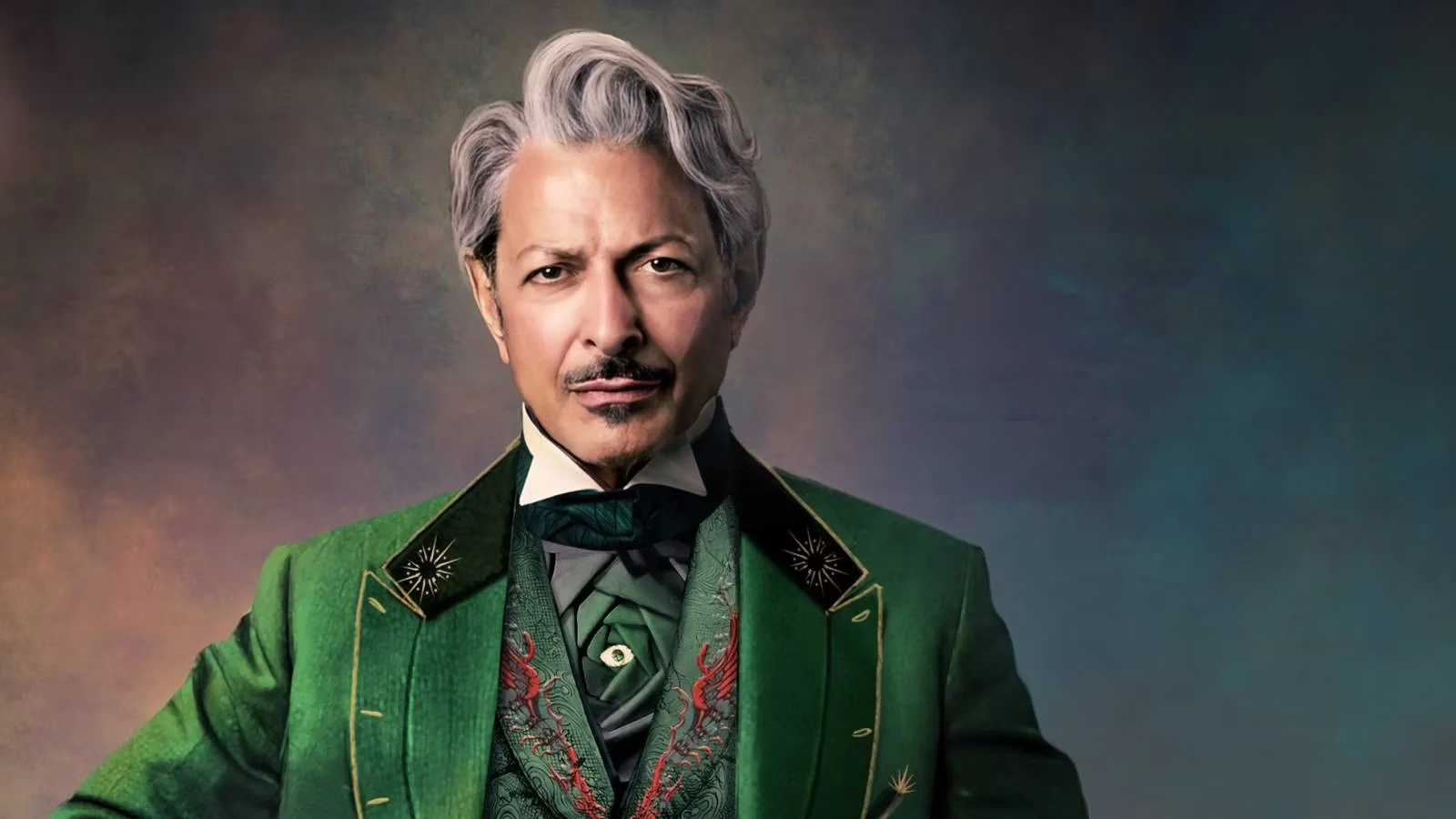
Our approach became about "embracing the overriding culture" of Oz while pushing boundaries. We spent approximately nine months in pre-production alone, developing what Darrell calls "the vernacular" - a consistent visual language that would carry through both films while allowing for natural evolution.
The Evolution of Our Design Philosophy
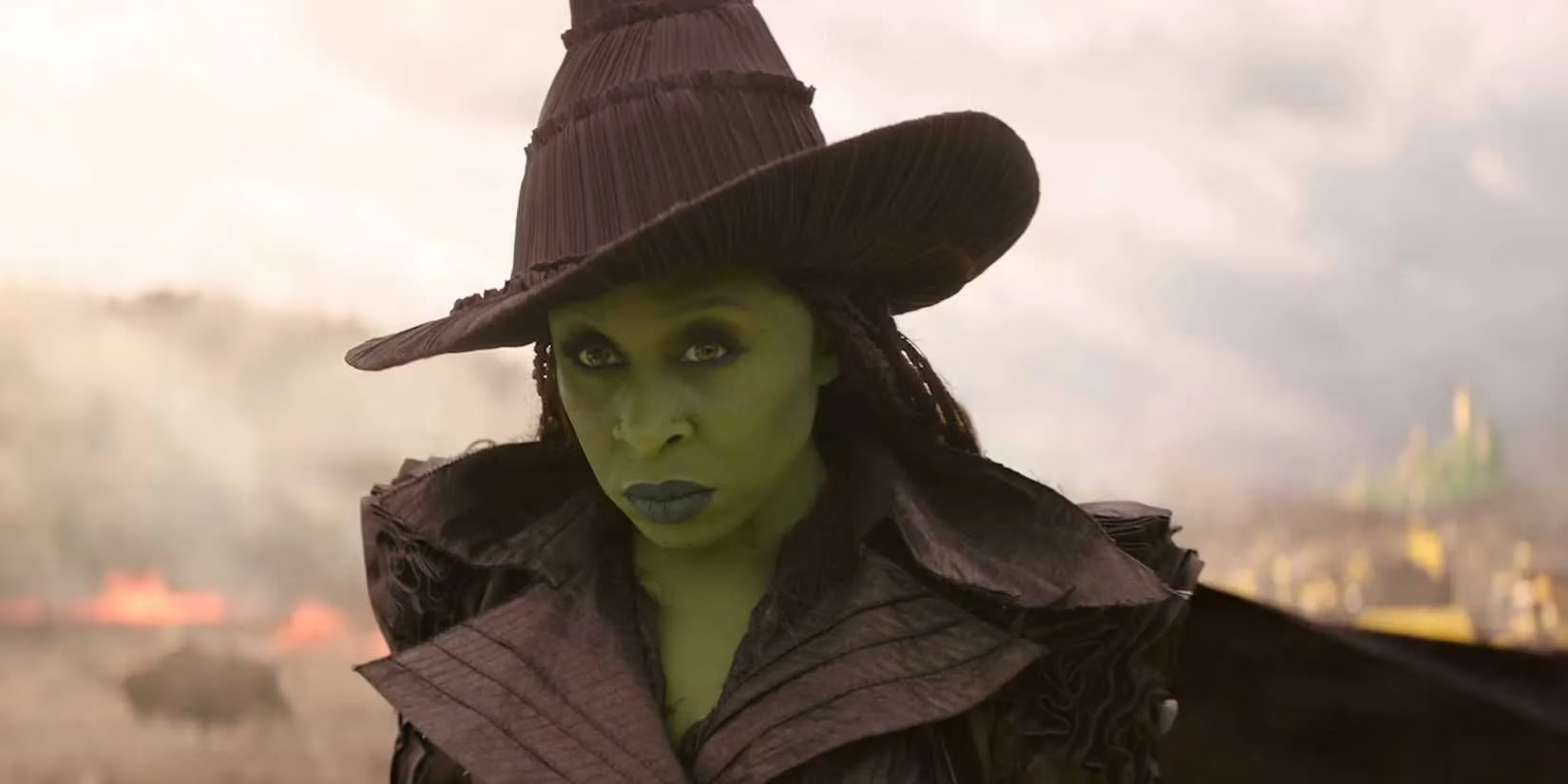
What made our process so rewarding was how organic the evolution felt. We didn't just copy what worked before - we built upon it with intention and artistry. Some key elements of our approach:
| Design Element | First Film Approach | For Good Evolution |
|---|---|---|
| Color Palette | Established Oz tones | Expanded with emotional depth |
| Texture & Fabric | Magical foundations | More lived-in, story-driven |
| Character Arcs | Introduction of looks | Emotional progression through costume |
| World Building | Establishing rules | Expanding cultural depth |
Darrell's perspective really captures it perfectly: "It's a real testament to the language that Paul developed in terms of the costumes. The vernacular that carries through to the second film, the fleshing out of these characters is pretty major. I'm not sure cinema has seen anything quite like it."
Easter Eggs and Subtle Storytelling
One of my favorite aspects of our work involves the hidden treasures we've woven throughout the costumes. These aren't just random references - each Easter egg serves the story and enhances the viewing experience for attentive fans.
Some examples of our subtle design choices:
-
🔍 Embroidery Details: Tiny symbols that reference character journeys
-
🎭 Color Shifts: Gradual changes reflecting emotional arcs
-
📚 Historical References: Nods to previous Oz interpretations
-
💫 Magical Elements: Visual cues about character abilities
The beauty of these details is that they create layers of engagement. As I often say, "It goes beyond the film. If somebody is looking for them, they're actually able to see it. They're still engaging beyond the experience of being in the theater."
The Emotional Core of Costume Design
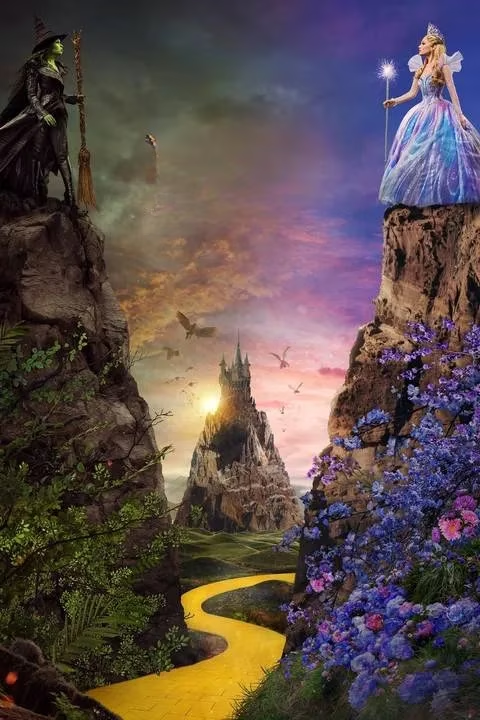
What many people might not realize is how deeply emotional the costume design process can be. Each piece tells a story beyond the visual spectacle. When Cynthia Erivo as Elphaba wears a particular garment, every stitch, every fabric choice, every color variation carries emotional weight.
Our collaborative process ensured that the costumes weren't just beautiful - they were authentic extensions of the characters' souls. Darrell's ability to translate emotional beats into visual language through his illustrations gave us a roadmap for creating costumes that feel truly lived-in.
Looking Forward to Audience Reactions
As we approach the November 2025 release, I find myself most excited about how audiences will discover these layers of storytelling. The costumes in Wicked: For Good represent more than just Oscar-winning craftsmanship - they embody the heart of our collaborative spirit and the enduring magic of Oz.
What Darrell and I created together goes beyond typical film costuming. It's a visual symphony that honors tradition while boldly moving forward. The way we've expanded the language of Oz through fabric, color, and design will, I hope, delight both new viewers and lifelong fans alike.
This journey has reinforced my belief that the most magical creations happen when artists truly connect, collaborate, and pour their souls into every detail. The world of Wicked: For Good isn't just something we designed - it's something we lived and breathed together, and that authenticity shines through in every frame.
```The following breakdown is based on information from GamesIndustry.biz, a leading source for developer interviews and industry news. Their coverage often emphasizes the importance of collaborative creativity in film and game production, echoing how the costume design process for Wicked: For Good relied on both analog artistry and digital innovation to push the boundaries of visual storytelling.